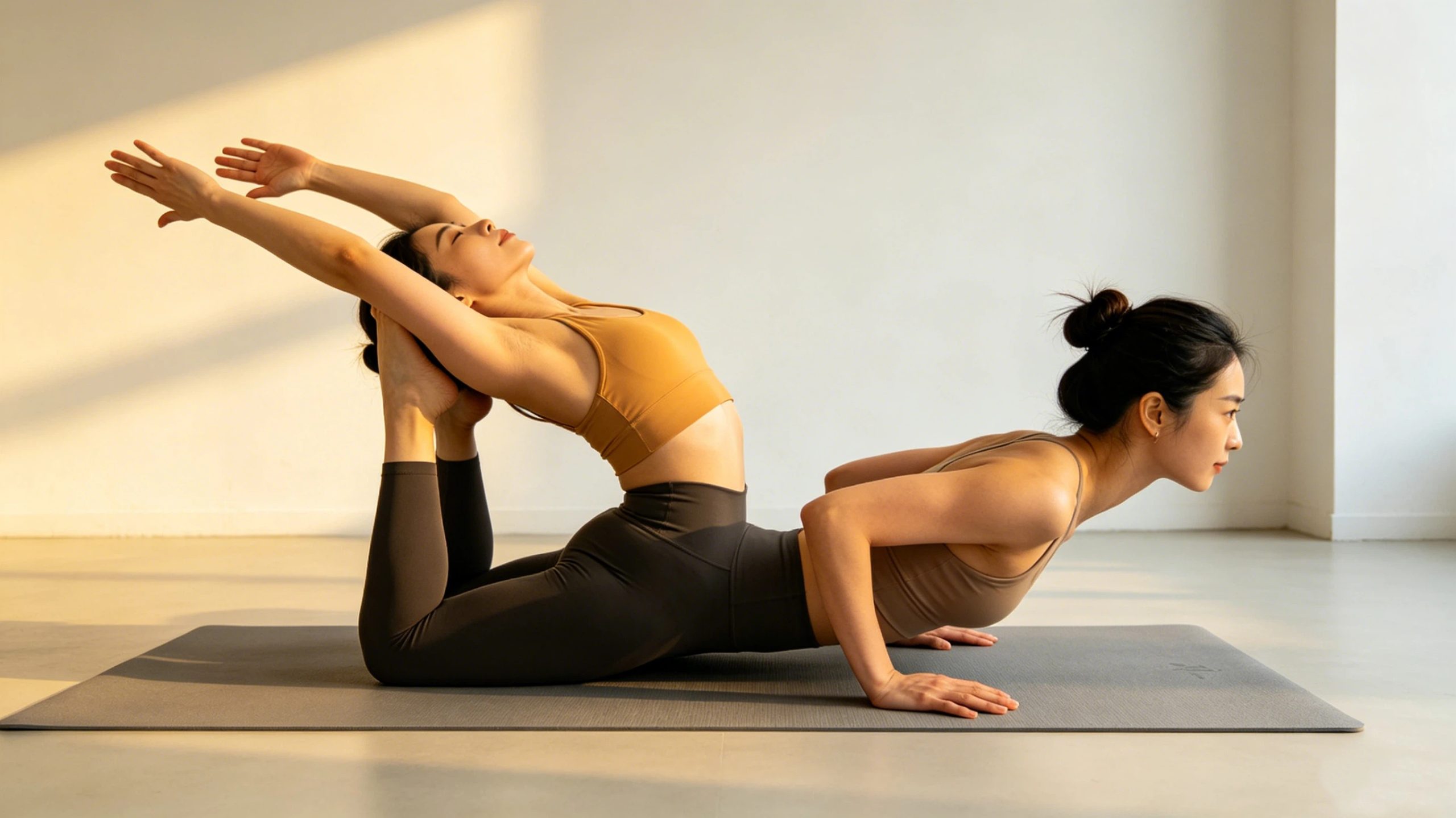
Pilates and yoga are two of the most popular mind-body exercise practices in the world. Both focus on improving physical health, flexibility, strength, posture, and mental well-being. Because they share some similarities, many people often confuse the two or wonder which practice is better for their personal fitness goals.
Although Pilates and yoga both involve controlled movement and breathing, they differ in their origins, techniques, goals, and overall approach to wellness. Some people prefer one over the other, while many choose to combine both practices for maximum benefits.
In this article, we will explore the key differences between Pilates and yoga, their benefits, similarities, and how to decide which one may be right for you.
What Is Yoga?
Yoga is an ancient practice that originated in India more than 5,000 years ago. It combines physical poses, breathing exercises, meditation, and mindfulness to support both physical and spiritual well-being.
The primary goal of yoga is to create harmony between the body, mind, and spirit.
There are many styles of yoga, including:
- Hatha yoga
- Vinyasa yoga
- Ashtanga yoga
- Yin yoga
- Bikram yoga
- Restorative yoga
Some forms are gentle and relaxing, while others are physically demanding and fast-paced.
Yoga often emphasizes:
- Flexibility
- Balance
- Mindfulness
- Breathing
- Relaxation
- Stress reduction
What Is Pilates?
Pilates is a more modern exercise system developed by Joseph Pilates in the early 20th century. It was originally designed to improve rehabilitation, posture, and core strength.
Pilates focuses on precise movements that strengthen the body, especially the core muscles, while improving alignment and stability.
There are two main types of Pilates:
- Mat Pilates
- Reformer Pilates
Reformer Pilates uses specialized resistance equipment to increase challenge and support movement.
Pilates emphasizes:
- Core strength
- Muscle control
- Stability
- Posture
- Alignment
- Functional movement
Main Differences Between Pilates and Yoga
Although Pilates and yoga share some similarities, they have distinct differences in philosophy and exercise style.
1. Focus and Purpose
Yoga
Yoga focuses on connecting the body and mind while promoting relaxation, mindfulness, and spiritual awareness.
Yoga sessions often include:
- Meditation
- Breathing exercises
- Stretching
- Mindful movement
The practice is holistic and often includes emotional and mental wellness elements.
Pilates
Pilates focuses more on physical conditioning, especially strengthening the core and improving body mechanics.
Pilates sessions emphasize:
- Controlled movement
- Muscle activation
- Stability
- Posture correction
While Pilates can feel calming, it is generally more fitness-oriented than spiritual.
2. Breathing Techniques
Yoga Breathing
Yoga uses various breathing methods called pranayama. Breathing is deeply connected to mindfulness and energy flow during practice.
Breath is often synchronized with movement and meditation.
Pilates Breathing
Pilates breathing is more structured and focused on supporting muscle engagement and movement control.
Pilates commonly uses lateral breathing, where the ribs expand outward while keeping the core engaged.
3. Movement Style
Yoga Movements
Yoga poses are often held for longer periods to improve flexibility, balance, and mindfulness.
Movements may flow slowly or dynamically depending on the yoga style.
Pilates Movements
Pilates involves smaller, more controlled and repetitive movements designed to activate specific muscles.
Exercises often focus on precision and alignment rather than holding poses.
4. Core Strength
Yoga
Yoga strengthens the core indirectly through balance and bodyweight poses.
Pilates
Pilates places a much stronger emphasis on direct core training. Many exercises specifically target the abdominal muscles, lower back, hips, and pelvic floor.
For people primarily seeking stronger core muscles, Pilates is often considered more effective.
5. Flexibility
Yoga
Yoga is generally more focused on improving flexibility and stretching tight muscles.
Many yoga poses deeply stretch:
- Hamstrings
- Hips
- Spine
- Shoulders
Pilates
Pilates improves flexibility as well, but flexibility is usually secondary to strength and stability.
6. Spiritual Element
Yoga
Yoga often includes spiritual or philosophical aspects such as meditation, mindfulness, and self-awareness.
Pilates
Pilates is primarily a physical fitness system and generally does not include spiritual practices.
Similarities Between Pilates and Yoga
Despite their differences, Pilates and yoga share many benefits.
Both practices:
- Improve flexibility
- Increase body awareness
- Strengthen muscles
- Support posture
- Reduce stress
- Improve breathing
- Enhance balance
- Promote mindfulness
Both are also low-impact exercises that can be adapted for different ages and fitness levels.
Benefits of Yoga
Yoga offers both physical and mental health benefits.
Stress Relief
Yoga is highly effective for relaxation and stress reduction through breathing and mindfulness techniques.
Improved Flexibility
Regular yoga practice may significantly improve joint mobility and muscle flexibility.
Better Balance
Balance-focused poses strengthen stabilizing muscles and improve coordination.
Emotional Wellness
Yoga may help reduce anxiety and improve emotional balance.
Better Sleep
Relaxing yoga styles can calm the nervous system and improve sleep quality.
Benefits of Pilates
Pilates is especially effective for strength, posture, and rehabilitation.
Stronger Core
Pilates is known for developing core stability and abdominal strength.
Improved Posture
Pilates strengthens muscles that support spinal alignment and posture.
Injury Prevention
Better alignment and muscle balance may reduce injury risk.
Rehabilitation Support
Pilates is commonly used in physical therapy and recovery programs.
Muscle Tone
Controlled resistance exercises help build lean muscle tone.
Which Is Better for Weight Loss?
Both Pilates and yoga can support weight management when combined with healthy eating and regular activity.
Yoga for Weight Loss
More active styles such as Vinyasa or Power Yoga can burn significant calories while improving flexibility and endurance.
Pilates for Weight Loss
Pilates helps build lean muscle, which may support metabolism and body composition over time.
Higher-intensity Pilates workouts may provide stronger calorie-burning effects than gentler yoga sessions.
Which Is Better for Beginners?
Both Pilates and yoga are beginner-friendly when practiced at an appropriate level.
Yoga for Beginners
Gentle yoga styles such as Hatha or Restorative Yoga are excellent for beginners who want relaxation and flexibility.
Pilates for Beginners
Mat Pilates is a good starting point for improving posture and core strength.
Choosing beginner classes with proper instruction is important for both practices.
Pilates vs Yoga for Back Pain
Both practices may help reduce back pain when performed correctly.
Yoga
Yoga stretches tight muscles and improves flexibility, which may relieve tension-related back pain.
Pilates
Pilates strengthens the core muscles that support the spine, often making it especially beneficial for posture-related back pain.
People with injuries or chronic pain should consult healthcare professionals before beginning either practice.
Can You Do Both Pilates and Yoga?
Yes. Many people combine Pilates and yoga because the two practices complement each other very well.
Benefits of combining both may include:
- Better flexibility
- Improved strength
- Greater balance
- Reduced stress
- Enhanced posture
- Improved body awareness
For example:
- Yoga can improve flexibility and relaxation
- Pilates can strengthen the core and improve stability
Together, they create a balanced fitness routine.
How to Choose Between Pilates and Yoga
The best choice depends on personal goals and preferences.
Choose Yoga If You Want:
- Stress relief
- Relaxation
- Flexibility
- Mindfulness
- Meditation
- Emotional balance
Choose Pilates If You Want:
- Stronger core muscles
- Better posture
- Rehabilitation support
- Muscle toning
- Physical conditioning
Some people may naturally enjoy one style more than the other.
Conclusion
Pilates and yoga are both excellent forms of low-impact exercise that support physical and mental well-being. While yoga focuses more on mindfulness, flexibility, and relaxation, Pilates emphasizes core strength, posture, and controlled movement.
Neither practice is universally “better” than the other. The right choice depends on individual goals, fitness needs, and personal preferences. Many people discover that combining both Pilates and yoga provides the greatest overall benefits.
Whether you choose yoga, Pilates, or both, regular practice can improve strength, flexibility, posture, stress management, and overall quality of life. The most important factor is finding a routine that feels enjoyable, sustainable, and supportive of long-term wellness.