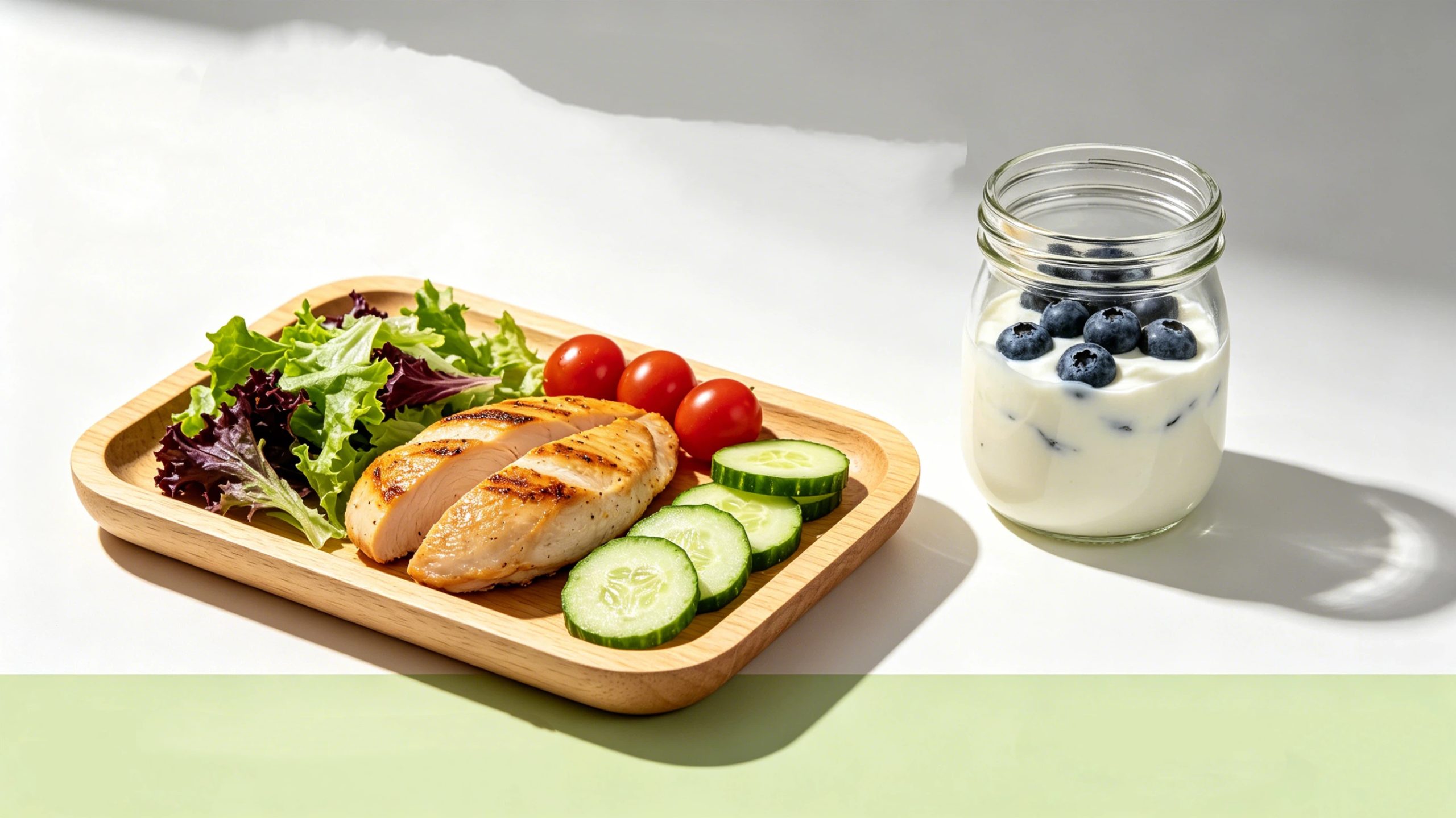
Good nutrition is one of the most important foundations of women’s health and wellness. The body needs proper nutrients to maintain energy, support hormones, strengthen the immune system, and improve overall physical and mental well-being. Women experience different nutritional needs throughout life due to hormonal changes, menstruation, pregnancy, motherhood, and aging. Because of this, maintaining a balanced and healthy diet is essential at every stage of life.
Healthy eating does not require strict dieting or giving up favorite foods. Instead, it involves making smarter choices, building healthy habits, and creating balance. Small daily improvements in nutrition can lead to better energy, stronger immunity, healthier skin, improved mood, and long-term wellness.
In this article, we will explore important nutrition tips for women and practical ways to build healthier eating habits.
Why Nutrition Is Important for Women
Nutrition affects nearly every part of the body, including:
- Energy levels
- Hormonal balance
- Bone health
- Skin health
- Mental wellness
- Immune function
- Weight management
- Heart health
Women often have unique nutritional needs compared to men, especially regarding iron, calcium, and certain vitamins.
Poor nutrition may contribute to:
- Fatigue
- Weak immunity
- Mood changes
- Digestive issues
- Weight gain
- Hormonal imbalance
Healthy eating supports both short-term and long-term health.
1. Eat More Whole Foods
Whole foods are foods that are minimally processed and naturally rich in nutrients.
Healthy whole foods include:
- Fruits
- Vegetables
- Whole grains
- Lean proteins
- Nuts and seeds
- Legumes
- Healthy fats
Whole foods provide important vitamins, minerals, antioxidants, and fiber that help support overall wellness.
Highly processed foods often contain excessive sugar, sodium, and unhealthy fats that may negatively affect health over time.
2. Prioritize Protein
Protein is essential for maintaining muscle, supporting metabolism, repairing tissues, and keeping the body strong.
Good protein sources include:
- Eggs
- Fish
- Chicken
- Greek yogurt
- Tofu
- Beans
- Lentils
- Nuts
Protein may also help:
- Increase fullness
- Support weight management
- Improve energy stability
Women who exercise regularly or are physically active may especially benefit from adequate protein intake.
3. Eat More Fruits and Vegetables
Fruits and vegetables are rich in fiber, vitamins, minerals, and antioxidants that support overall health.
Benefits include:
- Improved digestion
- Better skin health
- Stronger immunity
- Reduced inflammation
- Better heart health
Try to include a variety of colorful fruits and vegetables in daily meals.
Examples include:
- Berries
- Leafy greens
- Broccoli
- Carrots
- Oranges
- Bell peppers
- Tomatoes
Different colors often provide different nutrients and health benefits.
4. Stay Hydrated
Water is essential for nearly every body function, including digestion, circulation, and temperature regulation.
Proper hydration may help:
- Improve energy
- Support healthy skin
- Reduce headaches
- Improve concentration
- Support metabolism
Many women do not drink enough water throughout the day.
Helpful hydration tips:
- Carry a reusable water bottle
- Drink water with meals
- Eat water-rich foods like cucumbers and watermelon
- Limit sugary drinks
Hydration becomes especially important during exercise, pregnancy, and hot weather.
5. Include Healthy Fats
Healthy fats support brain health, hormone production, and heart health.
Good sources of healthy fats include:
- Avocados
- Olive oil
- Nuts
- Seeds
- Fatty fish
- Chia seeds
- Flaxseeds
Healthy fats may also help improve skin health and support emotional well-being.
Avoid excessive intake of trans fats and highly processed fried foods whenever possible.
6. Support Bone Health With Calcium and Vitamin D
Women are at greater risk of osteoporosis as they age, making bone health especially important.
Calcium-rich foods include:
- Milk
- Yogurt
- Cheese
- Leafy greens
- Almonds
- Tofu
Vitamin D helps the body absorb calcium effectively.
Sources of vitamin D include:
- Sunlight exposure
- Fatty fish
- Eggs
- Fortified foods
Maintaining strong bones is important throughout life, not just during older age.
7. Increase Iron Intake
Women lose iron during menstruation, making iron deficiency more common among women.
Iron helps carry oxygen throughout the body and supports energy levels.
Iron-rich foods include:
- Lean red meat
- Spinach
- Lentils
- Beans
- Pumpkin seeds
- Fortified cereals
Pairing iron-rich foods with vitamin C sources such as oranges or strawberries may improve iron absorption.
8. Limit Added Sugar
Excessive sugar intake may contribute to:
- Weight gain
- Fatigue
- Blood sugar spikes
- Increased inflammation
- Higher risk of chronic disease
Sugary drinks, desserts, and processed snacks are common sources of excess sugar.
Healthier alternatives include:
- Fresh fruit
- Dark chocolate
- Yogurt with berries
- Homemade snacks
Moderation is important rather than complete restriction.
9. Practice Mindful Eating
Mindful eating means paying attention to hunger, fullness, and eating habits without distraction.
Benefits of mindful eating may include:
- Better digestion
- Reduced overeating
- Greater enjoyment of food
- Improved relationship with eating
Helpful mindful eating habits:
- Eat slowly
- Avoid screens during meals
- Listen to hunger signals
- Appreciate flavors and textures
Mindful eating encourages healthier long-term habits.
10. Avoid Skipping Meals
Skipping meals may lead to low energy, overeating later, and unstable blood sugar levels.
Balanced meals throughout the day help:
- Maintain energy
- Improve concentration
- Support metabolism
- Reduce cravings
A healthy breakfast is especially important for starting the day with stable energy.
Nutrition During Different Life Stages
Women’s nutritional needs may change depending on age and lifestyle.
Young Women
Focus on:
- Iron intake
- Protein
- Healthy habits
- Balanced meals
Pregnancy and Breastfeeding
Pregnant and breastfeeding women may need additional:
- Protein
- Iron
- Calcium
- Folate
- Hydration
Healthcare providers can help guide proper nutrition during this stage.
Women Over 40
As metabolism and hormones change, women may benefit from:
- Increased protein
- Bone-supporting nutrients
- Fiber-rich foods
- Heart-healthy fats
Balanced nutrition becomes increasingly important for healthy aging.
Healthy Snacking Tips
Healthy snacks can help maintain energy levels throughout the day.
Nutritious snack ideas include:
- Nuts
- Fruit
- Greek yogurt
- Hummus with vegetables
- Boiled eggs
- Smoothies
Healthy snacks help reduce excessive hunger and support balanced eating habits.
The Connection Between Nutrition and Mental Health
Nutrition also affects emotional and mental wellness.
Balanced eating may help:
- Improve mood
- Support brain function
- Reduce fatigue
- Improve concentration
Nutrient-rich foods support stable energy and emotional balance, while excessive processed foods and sugar may negatively affect mood.
Building Sustainable Healthy Eating Habits
Healthy nutrition should feel realistic and sustainable rather than restrictive.
Helpful strategies include:
- Meal planning
- Cooking more meals at home
- Grocery shopping with a list
- Preparing healthy snacks
- Making gradual changes
Small consistent improvements often produce the best long-term results.
Conclusion
Good nutrition is an essential part of women’s wellness and overall health. Eating balanced meals rich in whole foods, protein, healthy fats, fruits, vegetables, and important nutrients can improve energy, mood, immunity, and long-term well-being.
Healthy eating is not about perfection or extreme dieting. Instead, it involves creating sustainable habits that support both physical and emotional health. By staying hydrated, practicing mindful eating, and making balanced food choices, women can support their bodies at every stage of life.
Small daily nutrition improvements can lead to significant positive changes over time, helping women feel stronger, healthier, and more energized in their everyday lives.