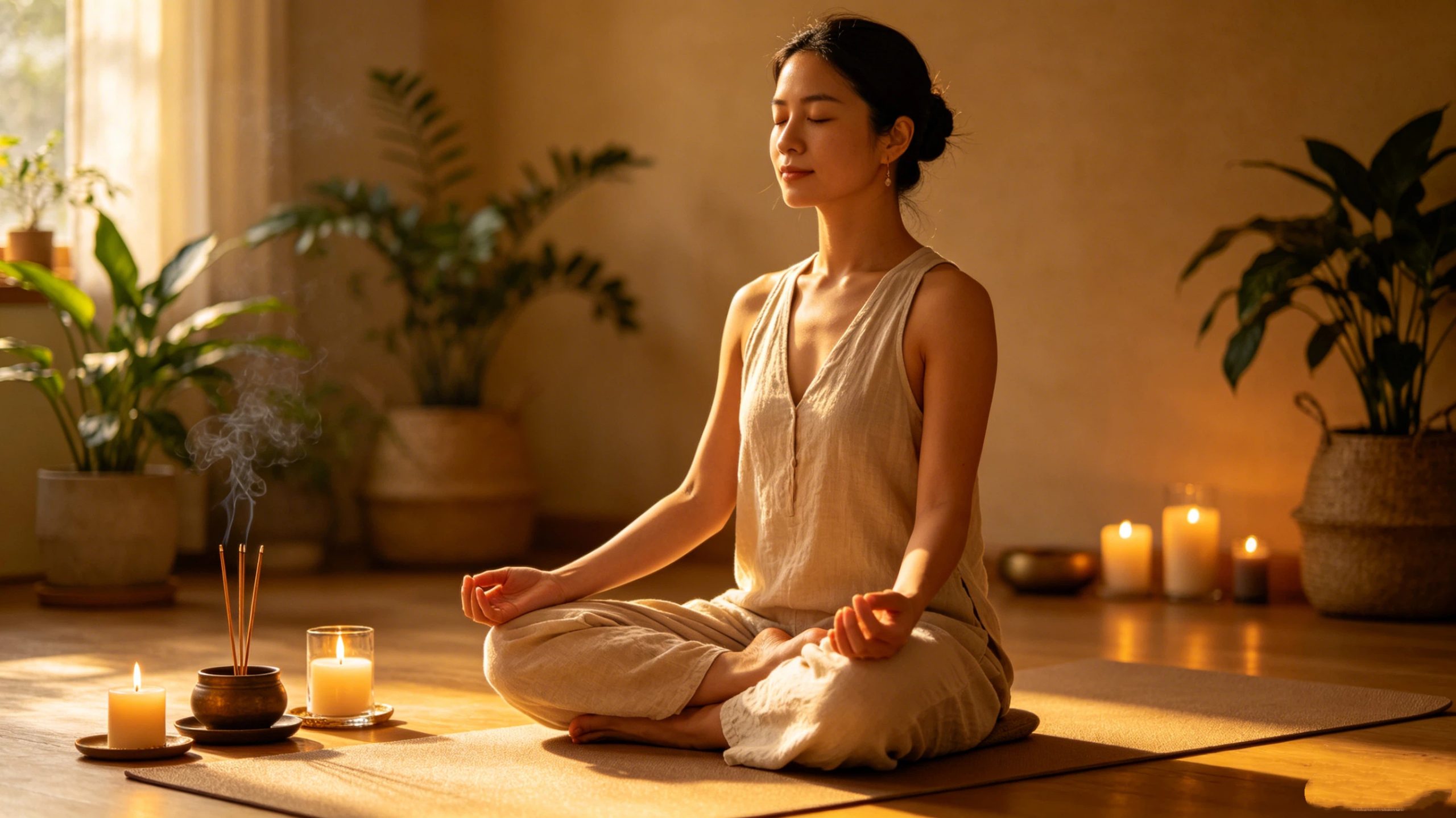
Meditation is an ancient practice that has been used for thousands of years to cultivate mindfulness, clarity, and inner peace. While it has roots in spiritual traditions, meditation has gained widespread popularity in modern wellness and healthcare due to its scientifically supported benefits for mental, emotional, and physical health. Practicing meditation regularly can improve focus, reduce stress, enhance emotional resilience, and promote overall well-being.
In this article, we explore the many benefits of meditation and provide insight into how this simple yet powerful practice can transform daily life.
What Is Meditation?
Meditation is a practice in which an individual focuses their mind on a particular object, thought, or activity to achieve a state of calm and heightened awareness. Techniques vary widely but often involve focusing on the breath, bodily sensations, a mantra, or guided visualizations.
The goal of meditation is not necessarily to stop thoughts but to observe them without judgment, fostering mindfulness and mental clarity.
Common forms of meditation include:
- Mindfulness meditation
- Loving-kindness meditation (Metta)
- Transcendental meditation
- Guided meditation
- Body scan meditation
- Breath-focused meditation
1. Reduces Stress and Anxiety
One of the most well-known benefits of meditation is its ability to reduce stress. Stress activates the body’s “fight or flight” response, releasing hormones like cortisol that increase heart rate and tension. Chronic stress can negatively affect physical and mental health, contributing to sleep disturbances, anxiety, and inflammation.
Meditation helps activate the body’s relaxation response, slowing the heart rate, lowering blood pressure, and reducing stress hormone levels. Regular practice allows individuals to respond to stressors more calmly, making daily challenges easier to manage.
Studies have shown that meditation can significantly reduce symptoms of anxiety disorders, including generalized anxiety and social anxiety, by promoting mindfulness and emotional regulation.
2. Improves Emotional Health
Meditation has been linked to improvements in mood and emotional well-being. Mindfulness meditation, in particular, encourages awareness of thoughts and feelings without judgment, which can reduce negative self-talk and emotional reactivity.
Regular meditation practice has been associated with:
- Increased positive emotions
- Greater resilience to stress
- Reduced symptoms of depression
- Improved self-compassion
By fostering a balanced perspective, meditation allows people to respond to life’s ups and downs with greater stability and acceptance.
3. Enhances Focus and Concentration
Meditation often involves concentrating on a specific object, the breath, or a mantra, which trains the mind to maintain attention. Over time, this practice strengthens cognitive abilities related to focus, memory, and executive function.
Research shows that people who meditate regularly demonstrate:
- Improved attention span
- Better working memory
- Enhanced ability to resist distractions
- Greater mental clarity
Even brief daily meditation sessions can improve cognitive performance and help individuals stay more present in daily tasks.
4. Supports Better Sleep
Sleep difficulties, including insomnia and restless nights, are common in modern life. Meditation can improve sleep quality by promoting relaxation, reducing racing thoughts, and calming the nervous system.
Techniques such as body scan meditation or guided relaxation before bed can help the mind transition from wakefulness to restful sleep. Over time, regular meditation may also help regulate circadian rhythms and reduce nighttime awakenings.
5. Lowers Blood Pressure
Meditation can positively affect cardiovascular health by reducing blood pressure. Relaxation techniques practiced during meditation help widen blood vessels, improve circulation, and decrease heart rate.
Lower blood pressure reduces the risk of heart disease, stroke, and other cardiovascular complications, making meditation a valuable addition to heart-healthy lifestyle practices.
6. Reduces Symptoms of Pain
Meditation has been shown to reduce the perception of pain and improve coping with chronic pain conditions. Mindfulness meditation, in particular, encourages acceptance of bodily sensations without judgment, which can reduce pain-related stress and discomfort.
This does not necessarily eliminate pain but allows individuals to experience it with less emotional suffering. Meditation is often used as a complementary therapy for conditions such as arthritis, fibromyalgia, and lower back pain.
7. Enhances Self-Awareness
Meditation encourages introspection and self-reflection, allowing individuals to better understand their thoughts, emotions, and behaviors. Increased self-awareness can lead to healthier habits, improved decision-making, and greater emotional intelligence.
Practices like loving-kindness meditation promote empathy and compassion, fostering stronger interpersonal relationships and deeper connections with others.
8. Improves Mental Resilience
Life is full of unexpected challenges, and mental resilience—the ability to adapt to stress and adversity—is essential for long-term well-being. Meditation strengthens resilience by training the mind to remain calm under pressure and respond thoughtfully rather than react impulsively.
Over time, meditation can reduce emotional volatility and help individuals navigate difficult situations with greater composure.
9. Supports Spiritual Growth
For many practitioners, meditation is a pathway to deeper spiritual awareness and connection. By quieting the mind and focusing inward, meditation allows individuals to explore a sense of purpose, meaning, and interconnectedness.
Even outside religious or spiritual contexts, meditation can foster a sense of inner peace and fulfillment.
10. Enhances Creativity and Problem-Solving
Meditation promotes divergent thinking, a cognitive process that generates multiple solutions to a problem. By fostering mindfulness and mental clarity, meditation allows the mind to approach challenges from new perspectives.
Regular meditation practice has been linked to:
- Improved creative thinking
- Enhanced problem-solving skills
- Greater flexibility in thought
- Better innovation in work or personal projects
Practical Tips for Meditation Practice
Start Small
Beginners can start with just 5 to 10 minutes per day and gradually increase duration as comfort grows.
Find a Comfortable Position
Sitting on a chair, cushion, or lying down is acceptable. Comfort helps maintain focus and reduces physical distractions.
Focus on the Breath
Pay attention to the natural rhythm of inhalation and exhalation. When the mind wanders, gently return focus to the breath.
Use Guided Meditation
Apps, online videos, or meditation recordings can provide structure and guidance, especially for beginners.
Practice Consistently
Regular practice, even for a few minutes each day, is more effective than sporadic long sessions.
Be Patient
Meditation is a skill that develops over time. Expect occasional distractions and approach practice with curiosity and self-compassion.
Meditation and Modern Life
In today’s fast-paced, technology-driven world, meditation offers a refuge from constant stimulation and stress. Even brief sessions during the day can provide moments of calm, improved focus, and emotional clarity.
Many people integrate meditation into their routines alongside exercise, mindfulness, and healthy lifestyle practices to enhance overall wellness.
Conclusion
Meditation is a versatile practice with far-reaching benefits for the mind, body, and spirit. From reducing stress and anxiety to improving focus, sleep, and emotional health, meditation offers a natural and accessible way to cultivate well-being.
Whether practiced for five minutes or an hour, daily meditation can transform the way individuals respond to challenges, enhance self-awareness, and foster inner peace. In an increasingly busy world, meditation provides a powerful tool to maintain balance, clarity, and resilience, supporting a healthier and more fulfilling life.